
Many people look for alternatives to melatonin because they want a wind-down that feels gentler and more natural, or simply because they'd rather not take a hormone every night. The good news is that a calm evening rarely depends on one product. It usually comes from a handful of small, steady habits that tell your body the day is ending.
This guide walks through what melatonin does, why some people prefer to skip it, and the melatonin-free options worth building into your evenings.
What Melatonin Does (and Why Some People Skip It)
Melatonin is a hormone your body makes on its own as daylight fades. It acts like a signal that says "it's getting dark, time to wind down." Supplemental melatonin is widely available in the US, and some people use it occasionally, such as when adjusting to a new time zone.
Others prefer to leave it out of their routine. Common reasons include:
- Wanting to support the body's own evening rhythm rather than add a hormone
- Feeling groggy the next morning
- Preferring an option they can use every night without second-guessing it
- Simply liking a ritual built around food-based ingredients and habits
If you take any medication or have questions about your sleep, it's always wise to talk with your healthcare provider before changing your routine.
The Best Alternatives to Melatonin Start With Light
Since your body makes melatonin in response to darkness, the most natural alternative is to help that process along.
Get bright light early
Stepping outside within an hour of waking, even for 10 minutes, helps anchor your daily rhythm. Morning light and evening darkness work as a pair.
Dim the lights after dinner
Switch to lamps instead of overhead lights in the last couple of hours before bed. Warmer, lower light feels calmer and supports the natural shift toward rest.
Put screens down a little earlier
You don't need a strict rule. Try ending scrolling 30 minutes before bed and replacing it with something slower: a book, light stretching or a conversation.
Calming Ingredients to Consider
Alongside light and routine, a few well-known ingredients are often part of a melatonin-free evening.
Magnesium glycinate
Magnesium is a mineral involved in hundreds of processes in the body, including muscle function and the nervous system. The glycinate form pairs magnesium with the amino acid glycine and is generally known as a gentle form that's easy on the stomach. Many people take it in the evening to support relaxation.
Chamomile
Chamomile has been a bedtime tea for generations. Its mild, floral taste makes it an easy signal that the day is closing.
Collagen
Collagen isn't a relaxation ingredient, but evening is a convenient time to take it. Folding it into your nightly drink means one less thing to remember in the morning.
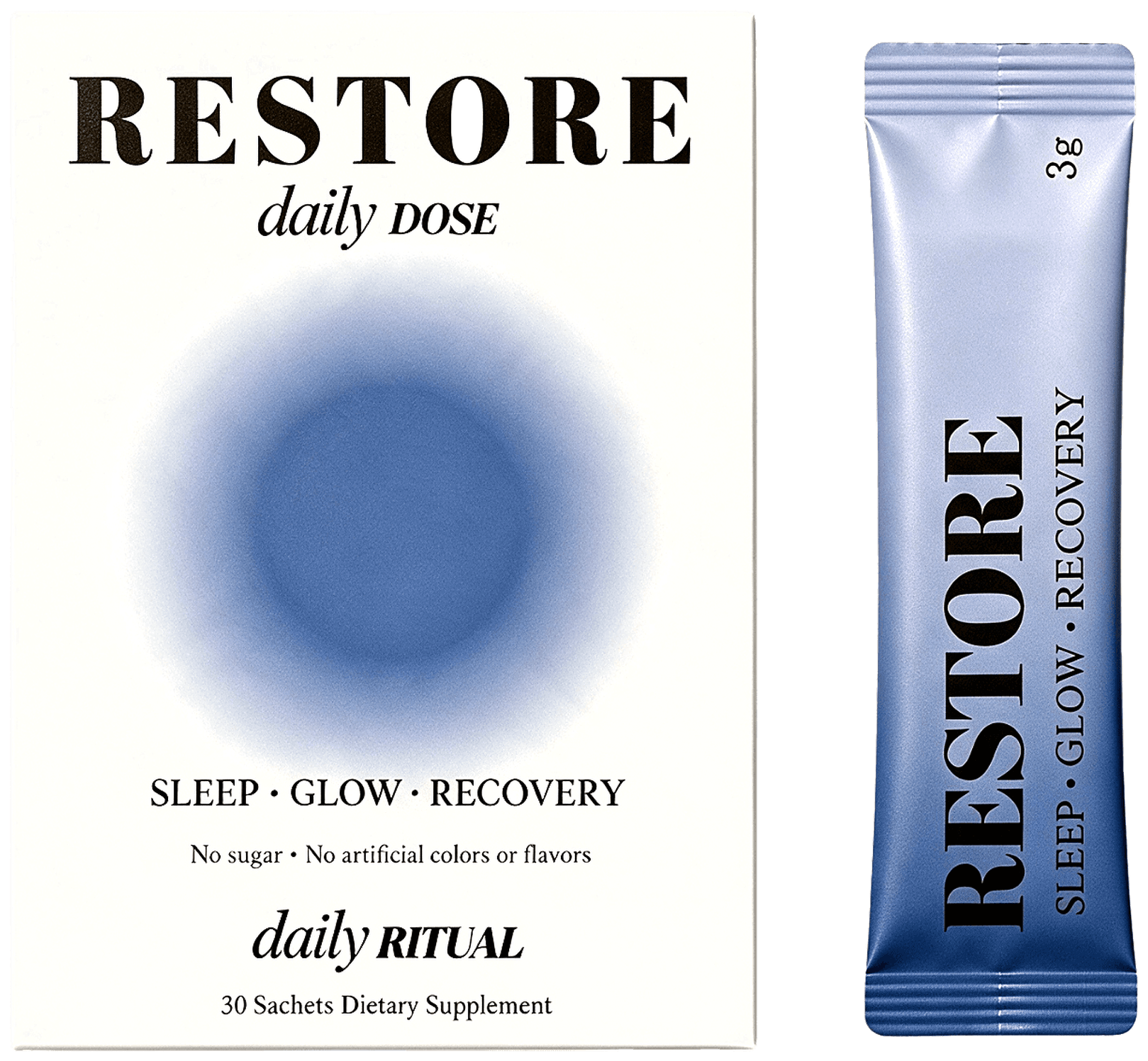
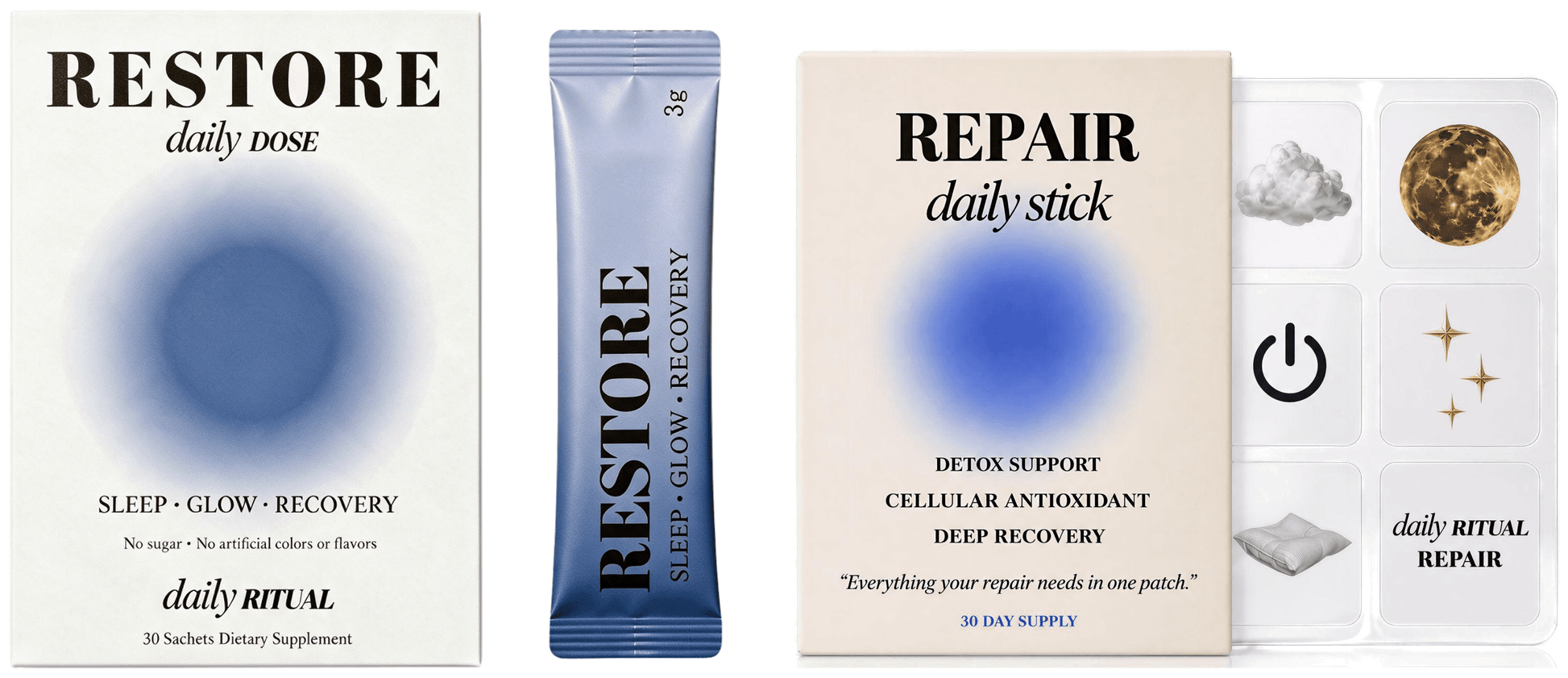
Our RESTORE evening drink mix brings these together: magnesium glycinate, fish collagen and chamomile with grapefruit, and no melatonin. It's designed to be a warm, steady part of your wind-down rather than a quick fix.
A Simple Melatonin-Free Evening Routine
Here's a 45-minute routine you can adjust to fit your night. Consistency matters more than perfection.
45 minutes before bed: close the day
Dim the lights. Tidy one small thing, like the kitchen counter or tomorrow's bag. Write down anything still on your mind so it doesn't follow you to bed.
30 minutes before bed: your evening drink
Mix your RESTORE into water and sip it slowly. Treat it as a pause, not a task. Sitting down for these few minutes is part of the point.
20 minutes before bed: gentle movement or reading
A few easy stretches, slow breathing or a chapter of a paper book all work well. Choose whatever feels quiet to you.
Lights out: keep it cool and dark
A cooler, darker bedroom tends to feel more restful. Blackout curtains or a simple eye mask can help on bright summer evenings.
Habits That Support Your Evenings During the Day
What happens earlier matters too. A few daytime habits make the evening easier:
- Keep a steady wake time. Getting up around the same time each day, weekends included, helps your rhythm settle.
- Watch afternoon caffeine. Many people find an early-afternoon cutoff makes winding down smoother.
- Eat dinner a little earlier. Giving yourself a couple of hours between your last meal and bed can feel more comfortable.
- Move your body. A daily walk supports overall wellbeing and makes rest feel well earned.
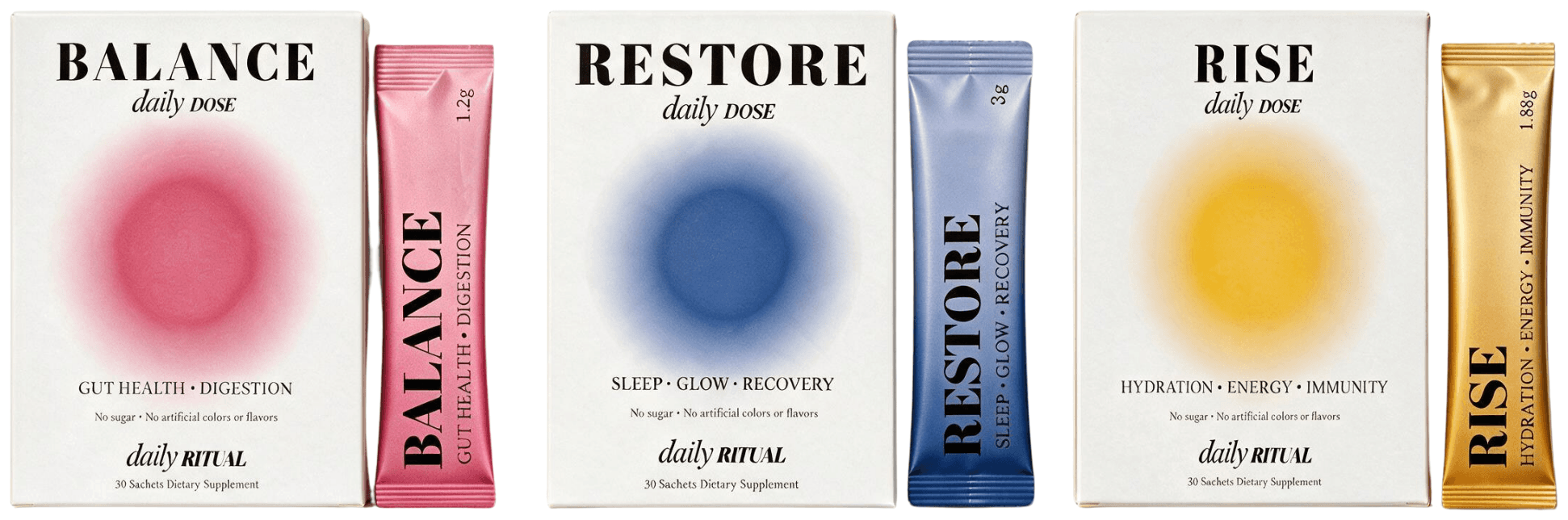
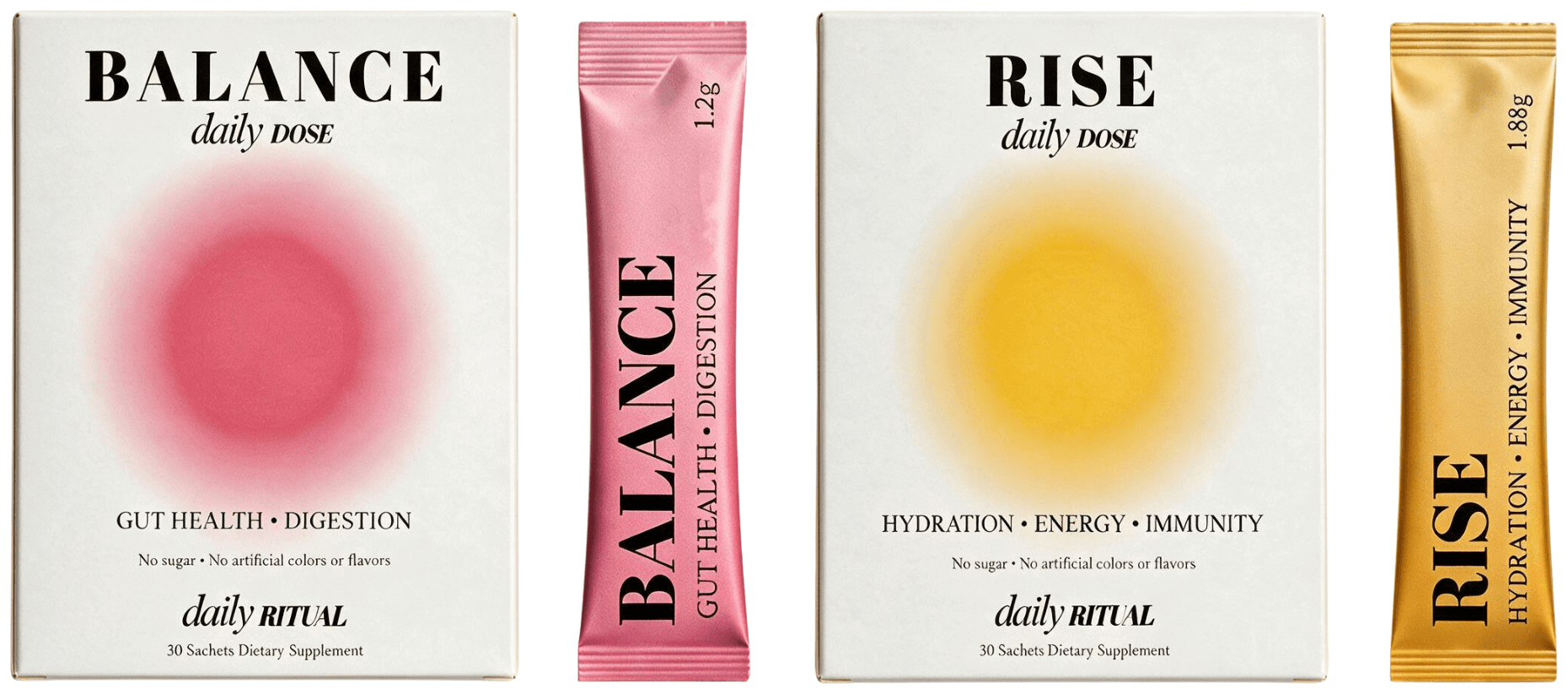
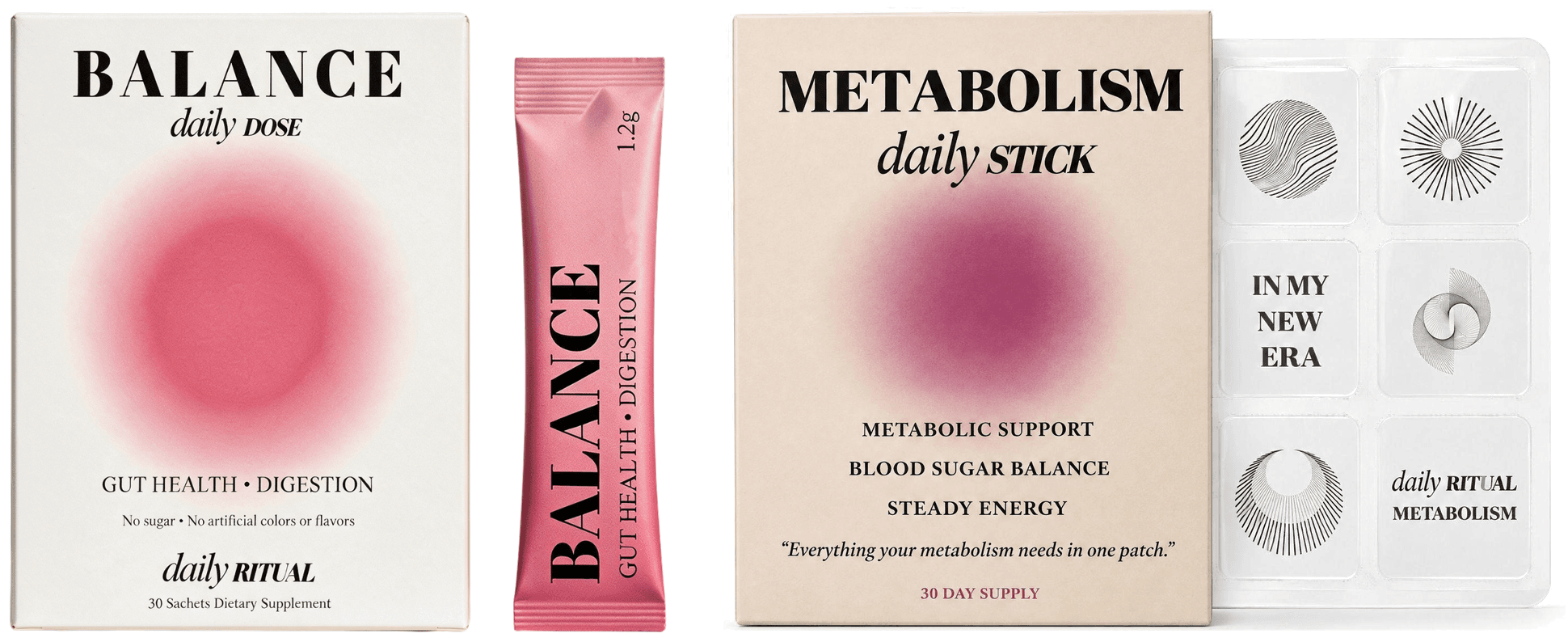
If you like structure across the whole day, The Full Dose Trio lets you pair RESTORE with RISE for mornings and BALANCE for midday, so each part of the day has its own simple moment. Subscribe & save gives you 12% off every 4 weeks, and subscriptions come with a 30-day money-back guarantee.
Be Patient With the Process
A new evening routine can take a week or two to feel natural. Start with one or two changes, such as dimming the lights and adding your evening drink, then layer in more once they stick. The goal is a wind-down you actually look forward to, not a checklist that adds pressure.
FAQ
What are the most common alternatives to melatonin?
Many people focus on light habits (morning sunlight, dim evenings), a consistent schedule, and calming ingredients such as magnesium glycinate and chamomile as part of a relaxing routine.
Can I take magnesium glycinate every night?
Many adults include magnesium glycinate in their nightly routine. Follow the label directions and check with your healthcare provider if you take medication or have health questions.
Does RESTORE contain melatonin?
No. RESTORE is melatonin-free and contains magnesium glycinate, fish collagen, chamomile and grapefruit to support a calm evening wind-down.
When should I drink RESTORE?
Most people enjoy it about 30 minutes before bed, as part of a slower, screen-light routine.
These statements have not been evaluated by the Food and Drug Administration. This product is not intended to diagnose, treat, cure, or prevent any disease.