




If you have ever sat down to study and looked up an hour later with three open tabs and one paragraph read, you are not alone. Knowing how to focus while studying is rarely about trying harder. It is about building a short, repeatable routine that tells your brain: this is study time now.
In this guide you will find a calm study routine you can start tonight, from setting up your space to taking breaks that actually help. We will also show how our FOCUS patch fits in as a simple, caffeine-free cue to begin each session.
Why it is hard to focus while studying
Studying asks for long stretches of attention on material that is not always exciting. At the same time, your phone, notifications and a dozen small tasks compete for the same attention. Most people do not lack discipline. They lack a clear starting signal and a structure that makes the next step obvious.
The good news: focus is a habit you can design. A few small, consistent choices do more than a heroic all-nighter.
How to focus while studying: a calm 6-step routine
1. Pick one task and write it down
Before you open a book, write one specific goal on paper: "Read chapter 4 and summarize it in five bullet points." A vague goal like "study biology" invites wandering. A clear one gives you a finish line.
2. Set up a study spot that only means one thing
Use the same desk or corner for every session if you can. Keep only what you need for today's task on it: your notes, a pen, a glass of water. Over time, simply sitting there becomes part of the cue.
3. Put your phone in another room
Not face down, not on silent: in another room. Even a phone you are not using pulls on your attention. If you need it for a timer, use a simple kitchen timer instead.
4. Start with a short ritual
A starting ritual is a small action you do the same way every time before you study. It could be filling your water glass, opening your notebook to a fresh page and putting on a patch. The routine matters more than the details. When the steps repeat, getting started stops feeling like a decision.
5. Work in focused blocks
Try 25 to 45 minutes of focused work, then a 5 to 10 minute break. Shorter blocks are easier to start; longer ones suit deeper reading. During a block, if a thought pops up ("email the professor"), jot it on a side list and return to your task.
6. Take breaks that actually rest you
Scrolling is not a break for your attention. Stand up, stretch, look out a window, refill your water or step outside for a few minutes. After three or four blocks, take a longer break of 20 to 30 minutes.
FOCUS: a caffeine-free patch for your study ritual
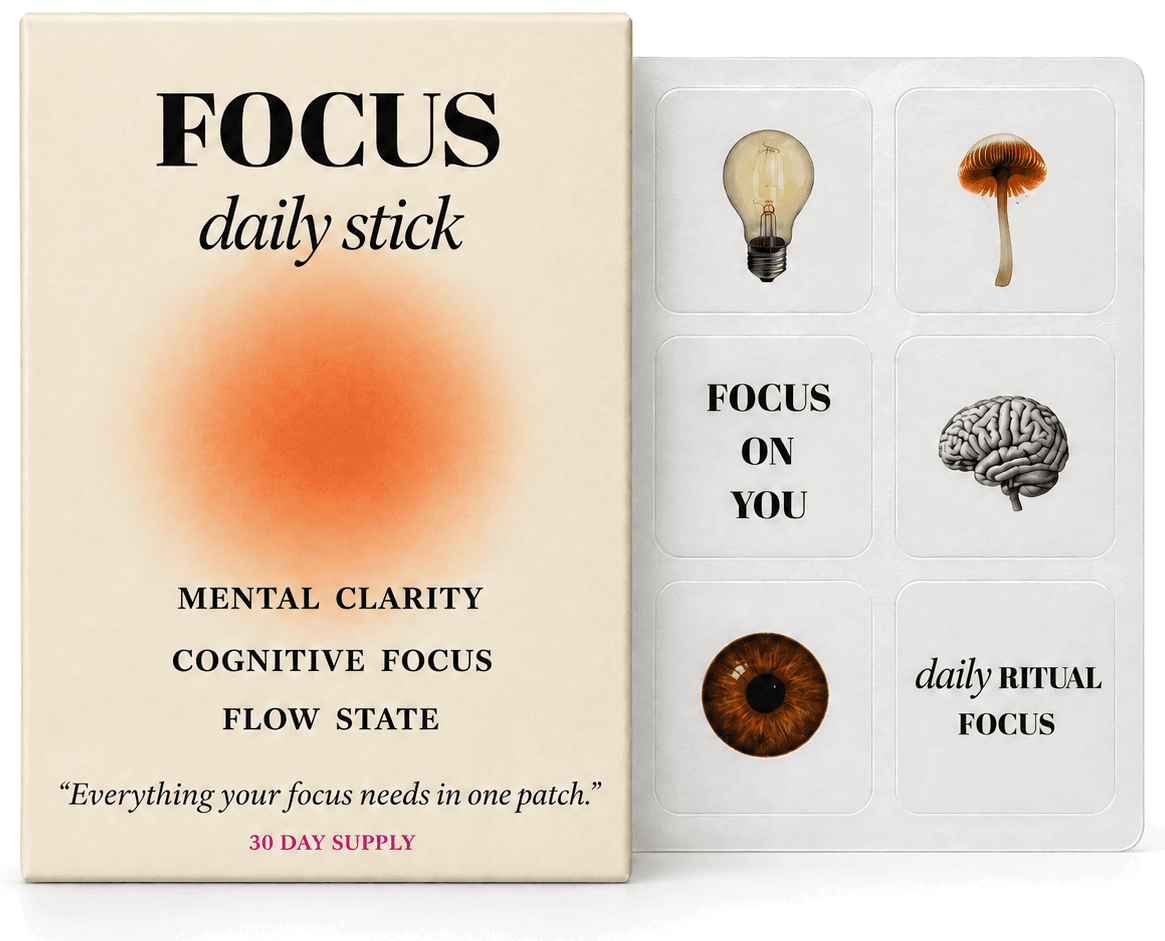
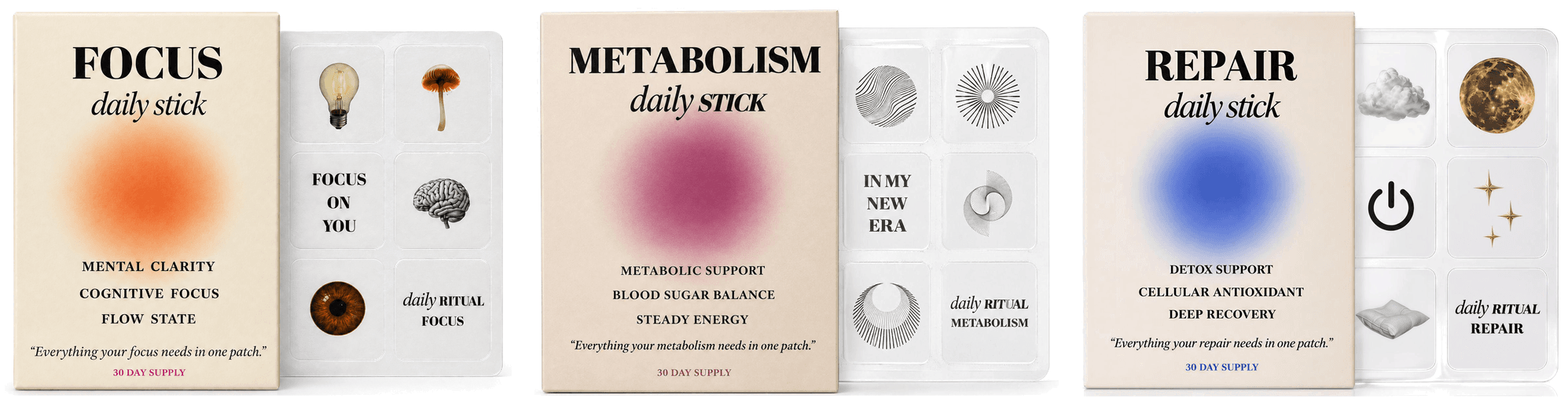
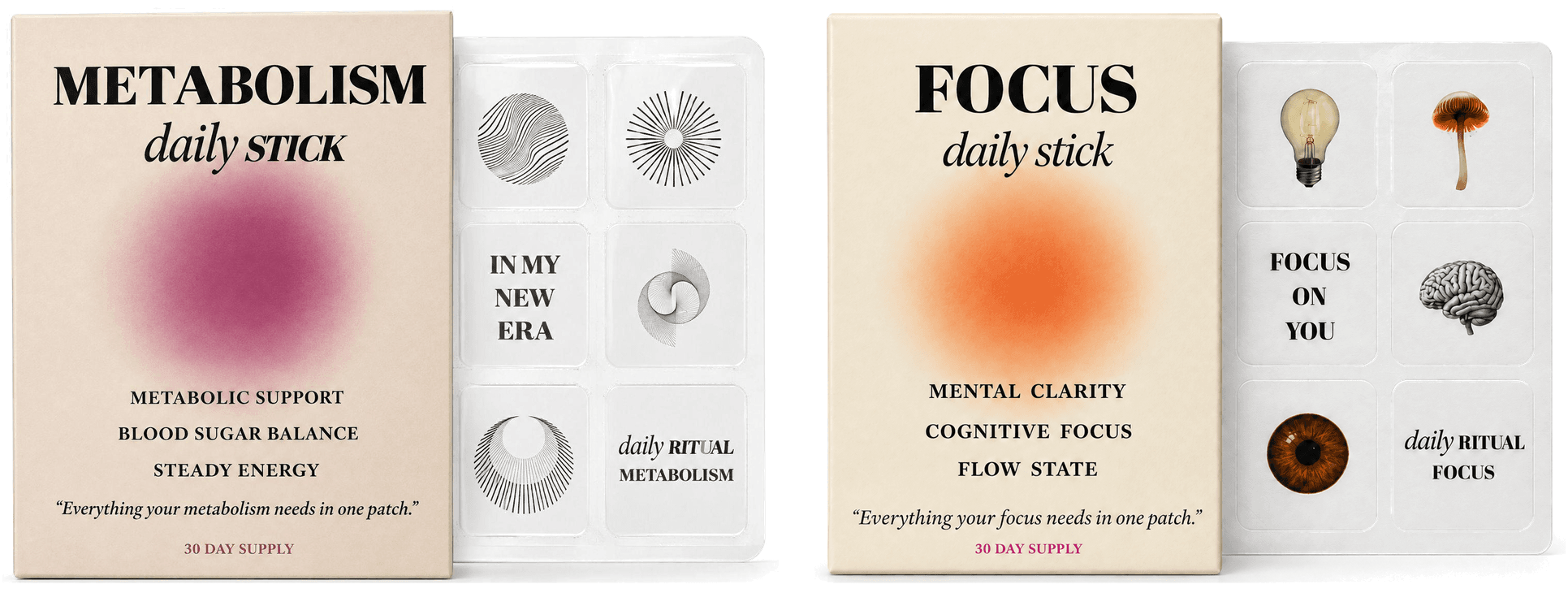
Many students reach for another coffee or an energy drink to get through a session, then deal with the jitters or the late-night crash. FOCUS by Daily Stick is a different kind of cue: a wellness patch you wear, with no caffeine and nothing to swallow.
What is in it:
- Vitamin B complex (B1, B2, B3, B6): B vitamins help turn food into energy, which supports mental energy through a long study day.
- N-acetyl carnitine: an amino acid that supports mental energy.
- Lion's mane mushroom extract: a mushroom traditionally used to support focus and clarity.
- L-theanine: found in green tea and known for calm focus, without the jitters.
- Red ginseng and magnesium bisglycinate: a traditional root for stamina, and magnesium to support the nervous system.
How it fits your routine: make it step four. Before your first study block, peel one patch and press it onto clean, dry skin on your inner arm, wrist or shoulder. Wear it for 8 to 12 hours. The simple act of putting it on becomes the signal that study time has started, and the patch design is something you will not mind seeing on your arm all day.
How to use it: one patch a day, in the morning or before your main study session. Each pack has 30 patches, a full month of study days.
What to eat and drink while you study
Your brain notices how you fuel it. Keep it simple:
- Water first. Keep a full glass on your desk and refill it at every break. If you find plain water boring, our RISE drink mix adds coconut water powder and electrolytes with no added sugar.
- Steady meals. A balanced meal with protein and fiber tends to keep you going longer than a sugary snack.
- Watch the late caffeine. Coffee late in the day can make it harder to wind down after a long session.
Make it a habit, not a hack
The routine works because it repeats. Same spot, same starting ritual, same block length, most days of the week. Expect the first few sessions to feel awkward; by the end of the first week, starting will feel easier. Track your blocks on paper and notice which time of day you focus best, then protect that time.
FAQ
How long should I study without a break?
Most people do well with 25 to 45 minutes of focused work followed by a 5 to 10 minute break. Experiment and keep what works for you.
Is it better to study in the morning or at night?
It depends on your schedule and energy. Try both for a week and note when your blocks feel easiest, then plan your hardest material for that time.
Does the FOCUS patch contain caffeine?
No. FOCUS has no caffeine. It combines B vitamins, N-acetyl carnitine, lion's mane, L-theanine, red ginseng and magnesium.
Where do I put the patch?
On clean, dry skin: the inner arm, wrist or shoulder work well. Wear it for 8 to 12 hours and use a fresh patch each day.
Start your study ritual tonight
Focus while studying comes from a routine you can repeat: one clear task, one quiet spot, your phone in another room and the same small starting ritual every time. Make the FOCUS patch part of that ritual. Subscribe & save 12% with delivery every 4 weeks, so a fresh pack arrives before your next study month begins (30-day money-back guarantee for subscriptions).
These statements have not been evaluated by the Food and Drug Administration. This product is not intended to diagnose, treat, cure, or prevent any disease.