



If you have been looking for a gentler way to close out the day, you have probably come across magnesium glycinate. Taking magnesium glycinate before bed has become a quiet favorite for people who want to support relaxation without reaching for melatonin. This guide covers what it is, why the timing matters, and how to build it into a simple evening ritual you will actually keep.
What Is Magnesium Glycinate?
Magnesium is an essential mineral your body uses in hundreds of everyday processes, including normal muscle function, nervous system function, and energy production. Many adults in the US do not get the recommended amount from food alone.
Magnesium glycinate is magnesium bound to glycine, an amino acid. This form is often chosen because it is generally considered gentle on the stomach compared with some other forms, such as magnesium citrate or oxide, which are better known for their effect on digestion.
Glycine itself is an amino acid your body naturally uses, and it is a common ingredient in evening formulas. Together, the pairing makes magnesium glycinate a natural fit for the end of the day.
Why Take Magnesium Glycinate Before Bed?
There is no strict rule that magnesium must be taken at night. But many people prefer the evening for a few practical reasons:
- It supports muscle relaxation. Magnesium plays a role in normal muscle contraction and relaxation, which can feel especially welcome after a long day on your feet or at a desk.
- It supports a calm nervous system. Magnesium contributes to normal nervous system function, which helps your body shift out of busy daytime mode.
- It anchors a routine. Taking something at the same time each evening becomes a cue. Over time, the act itself signals that the day is winding down.
That last point is easy to overlook. A consistent ritual often matters as much as any single ingredient.
Magnesium Glycinate vs. Melatonin
These two are often mentioned together, but they work in very different ways.
Melatonin is a hormone your body makes naturally in response to darkness. It acts as a timing signal for your internal clock. Some people prefer not to take it nightly, or would rather let their body produce it on its own schedule.
Magnesium, on the other hand, is a mineral, not a hormone. It does not tell your body what time it is. Instead, it supports the everyday functions of your muscles and nervous system. For people who want a melatonin-free option, magnesium glycinate is a common place to start.
When Exactly Should You Take It?
Most people take magnesium glycinate 30 to 60 minutes before they plan to sleep. That window gives you time to settle in, dim the lights, and let your wind-down routine do its work.
A few simple tips:
- Be consistent. Pick a time and stick with it most nights.
- Pair it with something you already do. Brushing your teeth, setting out tomorrow's clothes, or turning off your laptop are all good anchors.
- Take it with water or a warm drink. A mug of something warm adds to the sense of slowing down.
How Much Magnesium Do Adults Need?
According to the NIH, the recommended daily intake for adults ranges roughly from 310 to 420 mg, depending on age and sex, counting food and supplements together. The NIH also sets an upper limit of 350 mg per day for magnesium from supplements specifically. Always follow the label, and check with your healthcare provider if you take medications or have any health concerns.
Building a Simple Evening Wind-Down Ritual
Magnesium works best as one part of a bigger picture. Here is a calm, realistic routine that takes about 20 minutes.
1. Set a soft cutoff for screens
Aim to put your phone down 30 to 60 minutes before bed. If that feels like a lot, start with 15 minutes and build from there.
2. Make your evening drink
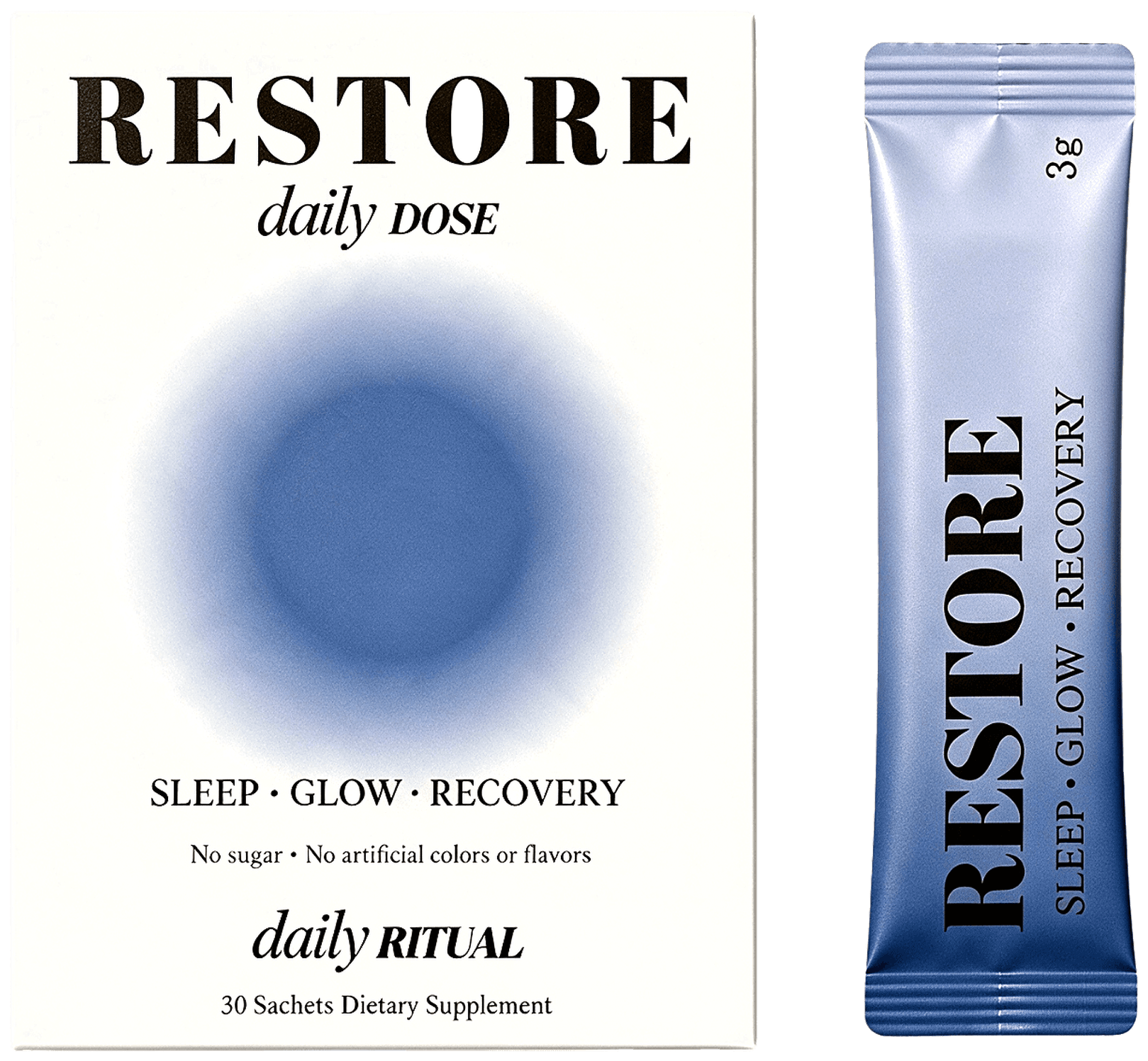
This is where a dedicated evening blend can make life easier. Our RESTORE evening drink mix combines magnesium glycinate with fish collagen, chamomile, and grapefruit, with no melatonin. Stir it into water, sip slowly, and let it be the moment the day officially ends.
3. Dim the lights
Lower light in the evening supports your body's natural rhythm. Swap overhead lights for a lamp, or use warm-toned bulbs in the rooms you spend your evenings in.
4. Do one quiet thing
Read a few pages, stretch gently, jot down tomorrow's to-do list, or take a warm shower. Keep it simple and repeatable.
5. Keep your bedroom cool and dark
A cool, dark, quiet room supports more restful sleep. Blackout curtains and a small fan go a long way.
Don't Forget the Morning
A good night often starts with a good morning. Getting daylight early, drinking water soon after waking, and keeping a steady wake time all help your body settle into a rhythm.
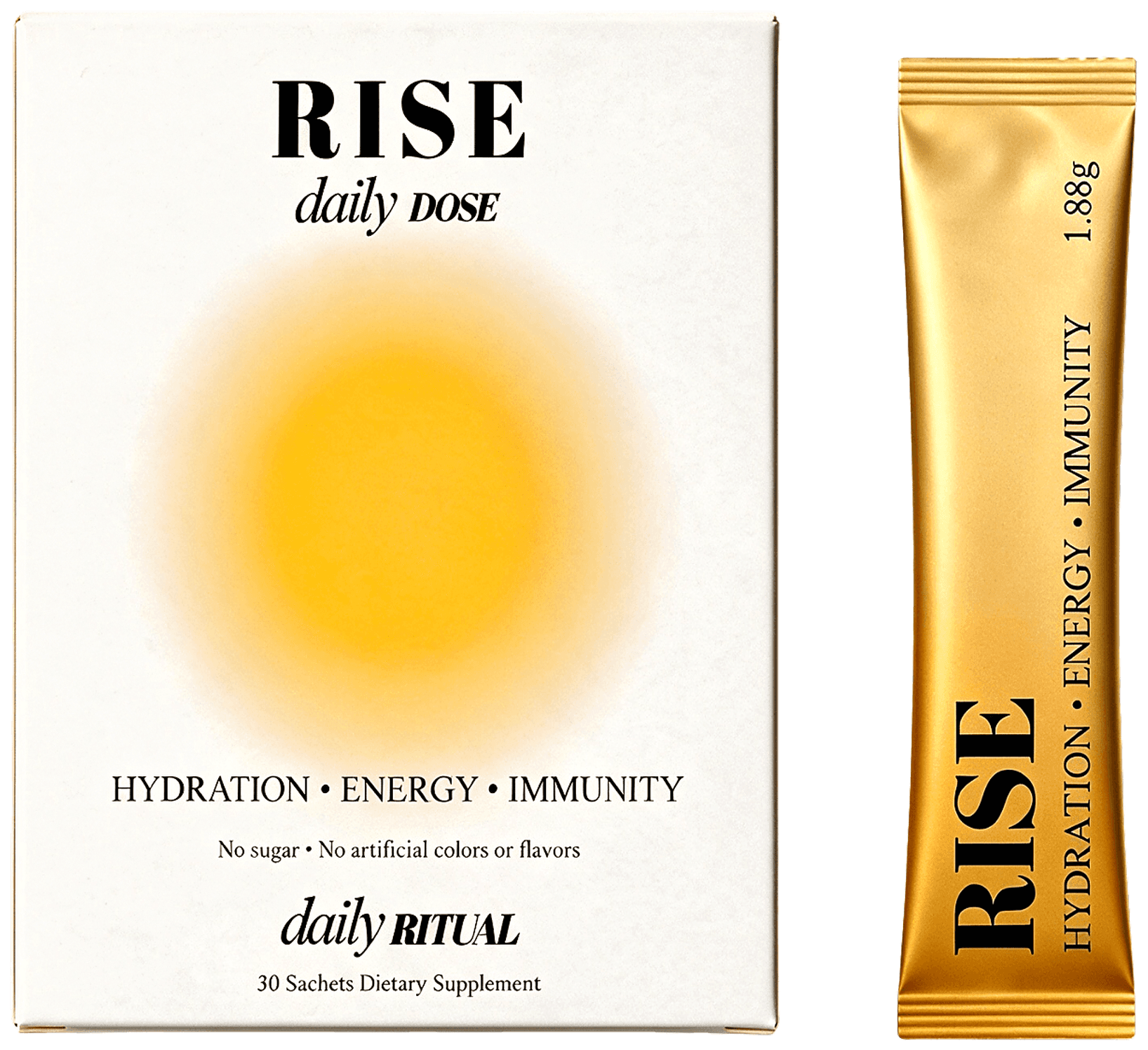
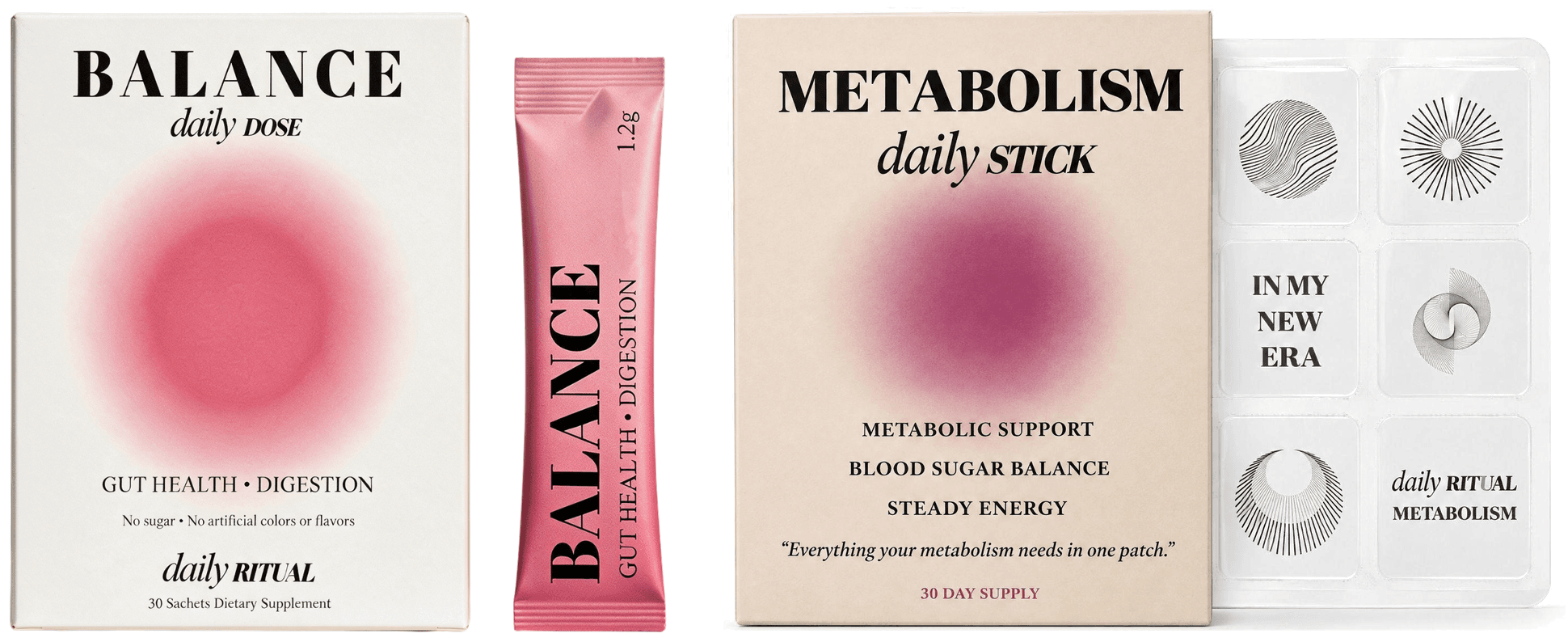
Many people find it easier to stay consistent when the morning and evening feel connected. A morning hydration step like RISE, with natural electrolytes and vitamin C from acerola, pairs naturally with an evening magnesium habit. If you would like to cover your morning, midday, and evening in one go, The Full Dose Trio brings together RISE, BALANCE and RESTORE to build your full daily ritual.
If you decide to make it part of your routine, Subscribe & Save gives you 12% off with delivery every 4 weeks, and subscriptions come with a 30-day money-back guarantee.
Common Mistakes to Avoid
- Expecting instant results. Routines build over days and weeks, not one night.
- Taking it at random times. Consistency helps the ritual become a reliable cue.
- Relying on one thing alone. Magnesium is supportive, but light, screens, caffeine timing, and your sleep schedule all play a role.
- Late-afternoon caffeine. Try to keep coffee and other caffeinated drinks to the earlier part of the day.
FAQ
Can I take magnesium glycinate every night?
Many people take it nightly as part of their routine. Stay within the label directions and the NIH upper limit for supplemental magnesium, and talk to your healthcare provider if you have questions about your specific needs.
Will magnesium glycinate make me groggy in the morning?
Magnesium is a mineral, not a sedative or hormone, so most people do not describe a groggy feeling. Everyone is different, so notice how you feel and adjust your timing if needed.
Can I take magnesium glycinate with food?
Yes. It can be taken with or without food. Some people find a light evening snack makes it feel even gentler.
Is magnesium glycinate the same as magnesium citrate?
No. Both provide magnesium, but they are bound to different compounds. Glycinate is bound to glycine and is often preferred for evening use, while citrate is more commonly associated with supporting regularity.
These statements have not been evaluated by the Food and Drug Administration. This product is not intended to diagnose, treat, cure, or prevent any disease.