
If you have ever stared at your screen around 2:30pm and read the same sentence three times, you are in good company. Learning how to beat the afternoon slump is less about willpower and more about a few small, repeatable habits around lunch, water, movement and focus. This guide walks through why the dip happens and a calm routine that helps you feel more even through the rest of the day.
Why the afternoon slump happens
A mild drop in alertness in the early afternoon is a normal part of the body's daily rhythm. Your internal clock naturally dips a few hours after midday, which is why so many cultures have a rest or siesta built into the day.
Everyday habits can make that dip feel deeper. The most common contributors are:
- A heavy or low-fibre lunch that leaves you sluggish an hour later.
- Not drinking enough water through the morning, especially if coffee was your main drink.
- Long stretches of sitting without light or movement.
- Short or restless sleep the night before.
- Late-morning caffeine that wears off right when the natural dip arrives.
You cannot remove the natural rhythm, but you can soften it. The habits below work best together, and none of them take more than a few minutes.
How to beat the afternoon slump: 6 simple habits
1. Build a steadier lunch
Lunch sets the tone for the next three hours. A plate built around protein, vegetables and a source of fibre tends to feel lighter and more sustaining than a meal that is mostly refined carbs.
A simple template: half the plate vegetables or salad, a palm-sized portion of protein, and a modest serving of whole grains, beans or lentils. Eat slowly if you can, away from your inbox.
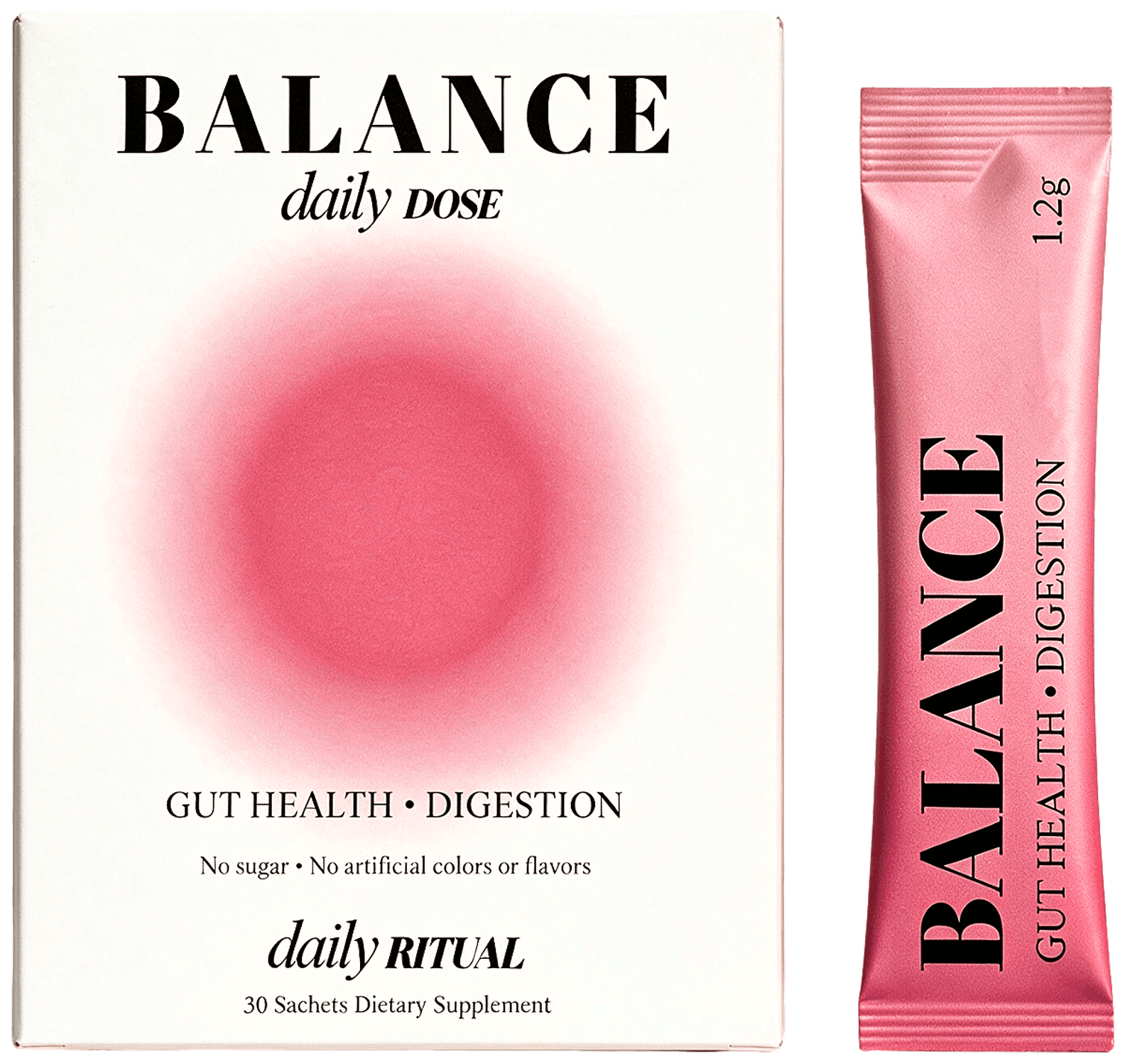
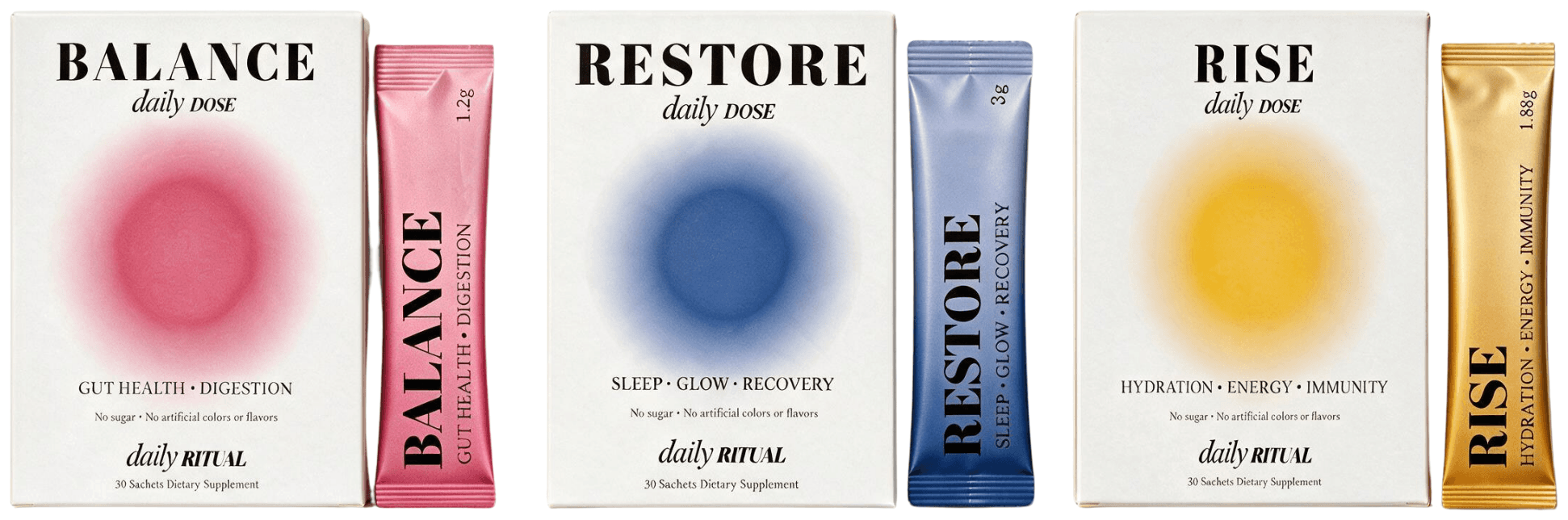
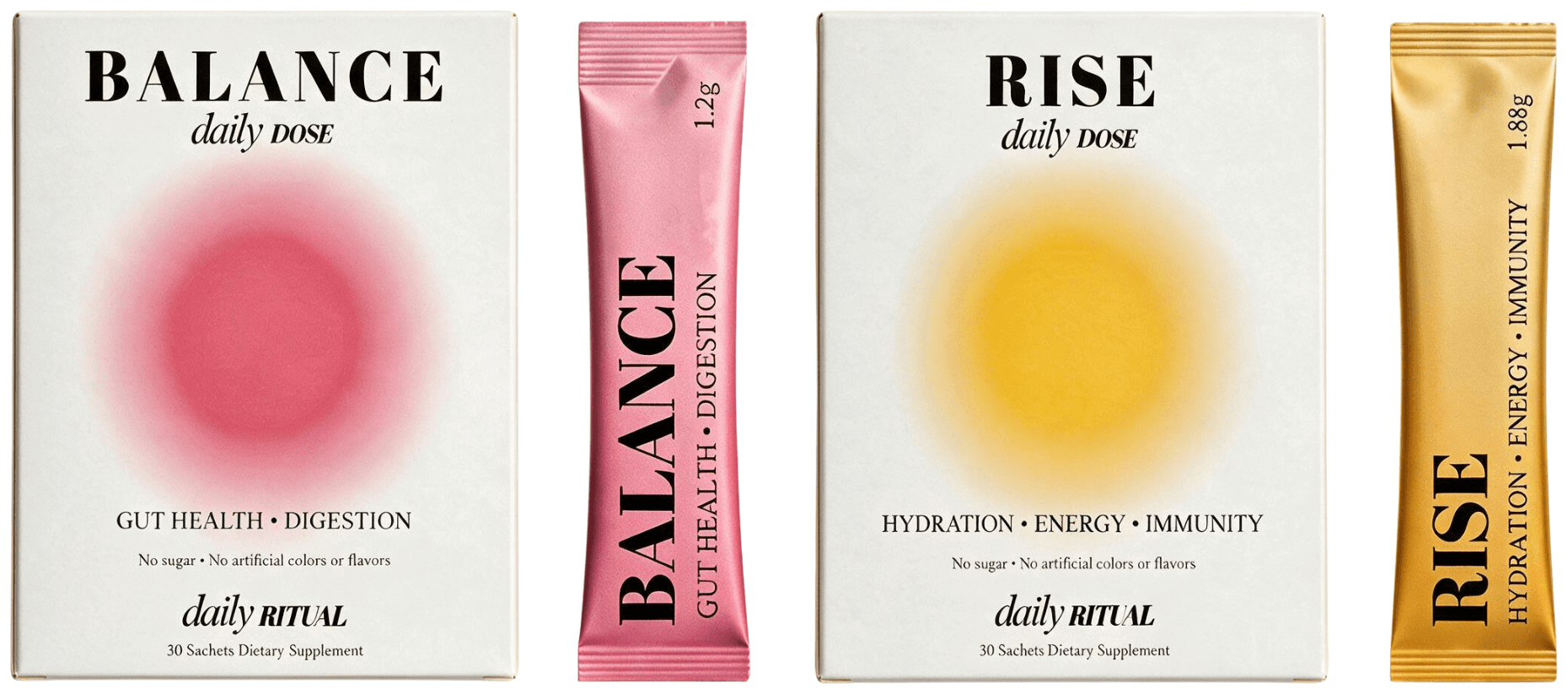
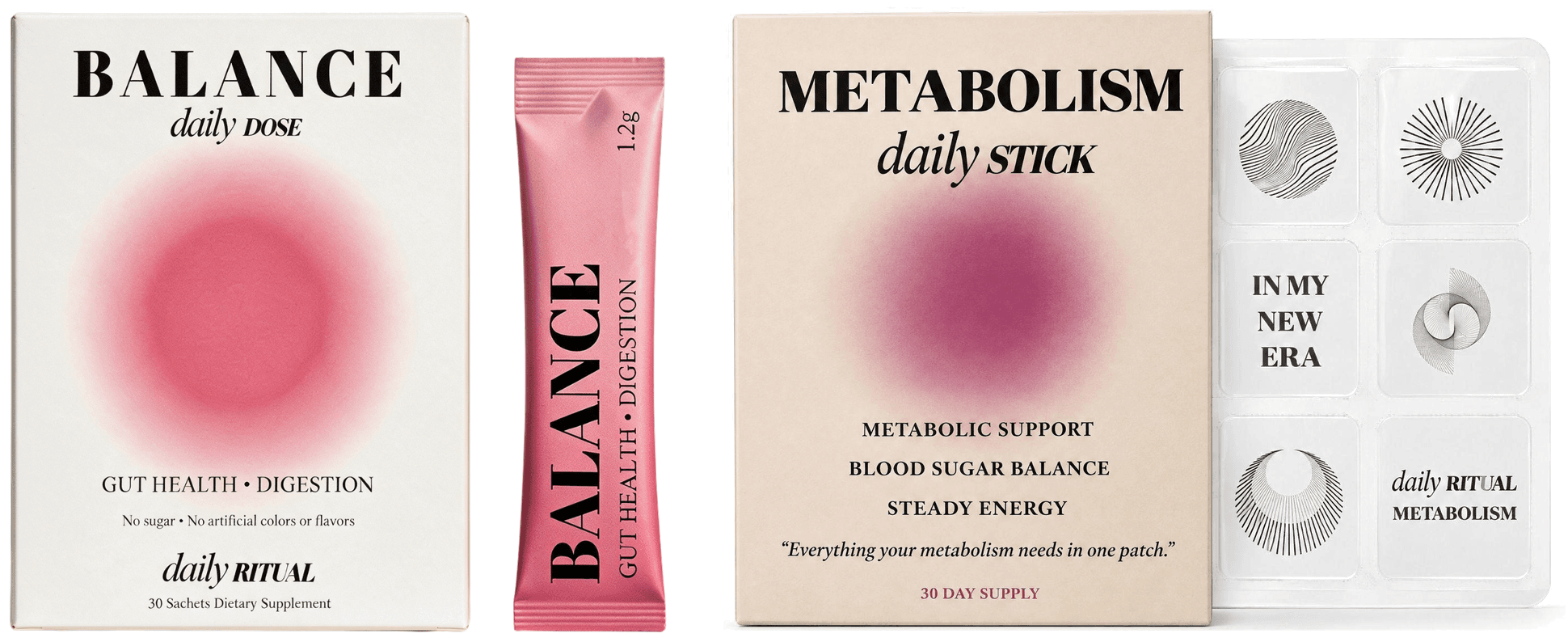
Many people find a midday fibre routine helpful here. Our BALANCE midday drink mix pairs fibre with ginger and strawberry, and is designed to support comfortable digestion and help you feel satisfied between meals. Stir it into water with or just after lunch.
2. Drink water before you reach for coffee
When the dip arrives, the first instinct is often another coffee. Try a large glass of water first and give it ten minutes. Mild under-hydration can feel a lot like tiredness, and many of us drink far less than we think during a busy morning.
It also helps to start hydrating early. A morning glass of water, or a sugar-free electrolyte drink such as RISE, makes it easier to arrive at lunch already ahead rather than catching up.
3. Move for five minutes and find some daylight
Short movement breaks are one of the simplest ways to feel more awake. You do not need a workout. A brisk walk around the block, a few flights of stairs, or a couple of minutes of stretching at your desk all count.
If you can get outside, even better. Natural daylight is a strong signal to your body clock that it is still daytime, and a short walk after lunch can also support comfortable digestion.
4. Time your caffeine thoughtfully
Caffeine can be a useful tool, but timing matters. It lingers in the body for several hours, so a 3pm coffee can still be active at bedtime and make it harder to wind down. That leads to lighter sleep, and a heavier slump the next afternoon.
A gentle rule many people like: enjoy your coffee in the morning, and set a personal caffeine cut-off somewhere around early afternoon. If you want a warm drink later, try herbal tea or simply hot water with lemon.
5. Do a two-minute focus reset
Part of the afternoon slump is mental, not physical. After a morning of switching between tasks, attention gets scattered. A short reset helps you re-enter the afternoon on purpose.
Try this: close extra tabs, write down the one task that matters most before 4pm, set a timer for 25 minutes, and work only on that. When the timer ends, stand up and stretch before the next block.
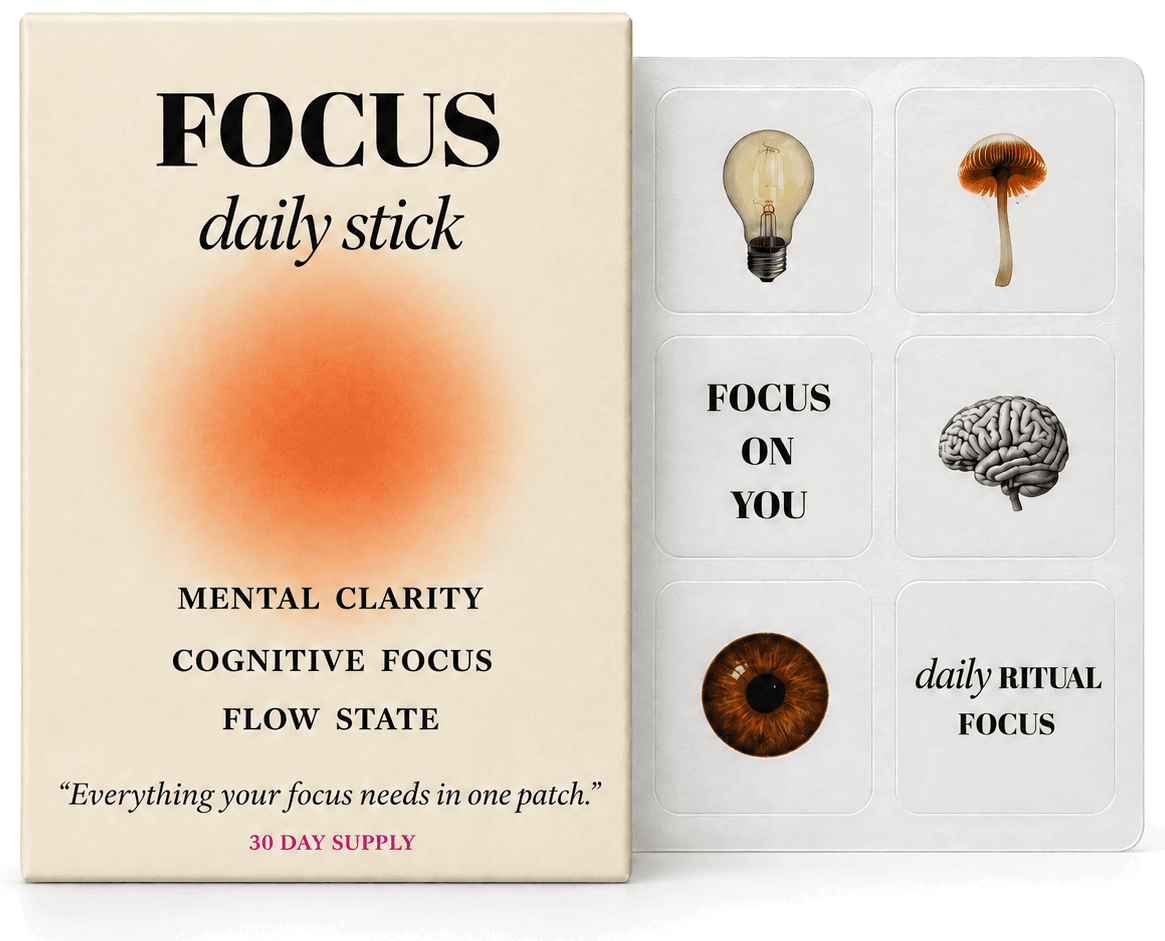
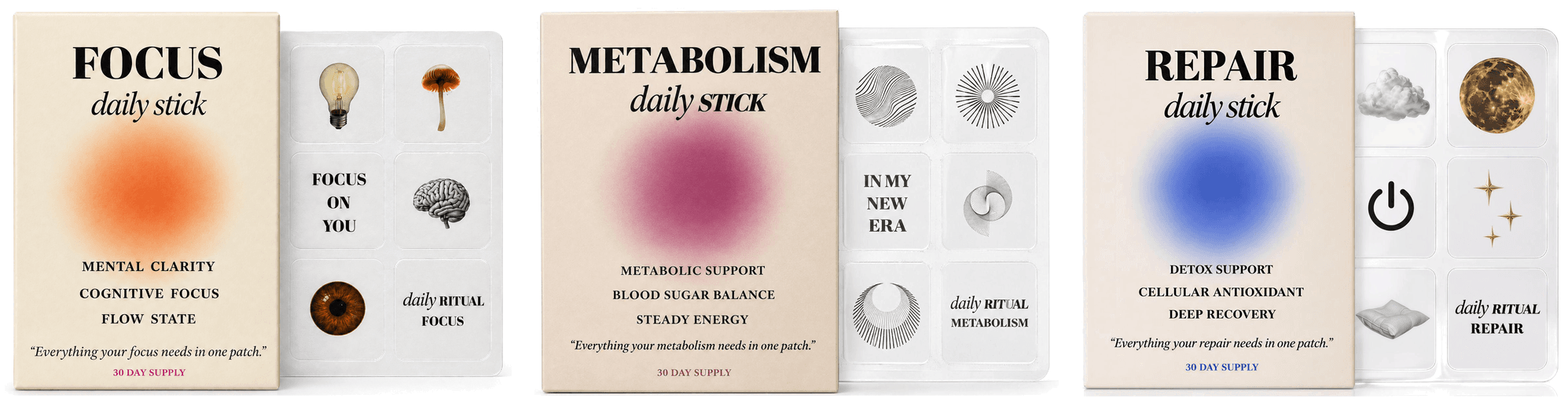
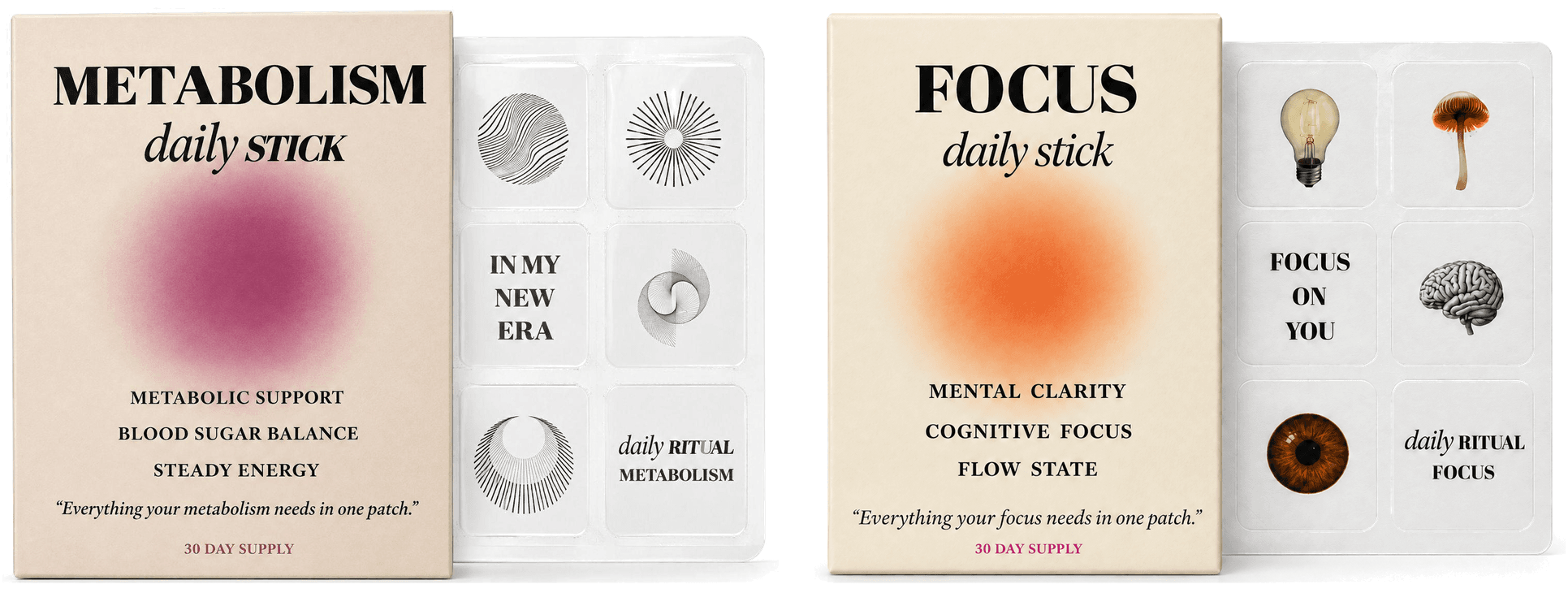
Some people like a small physical cue to mark the reset. Our FOCUS patch is a simple, wearable way to signal the start of a concentrated work block, with nothing to mix or drink.
6. Protect tonight's sleep
The best long-term way to soften tomorrow's slump is tonight's sleep. Aim for a consistent bedtime, dim lights in the last hour, and keep screens out of bed where you can.
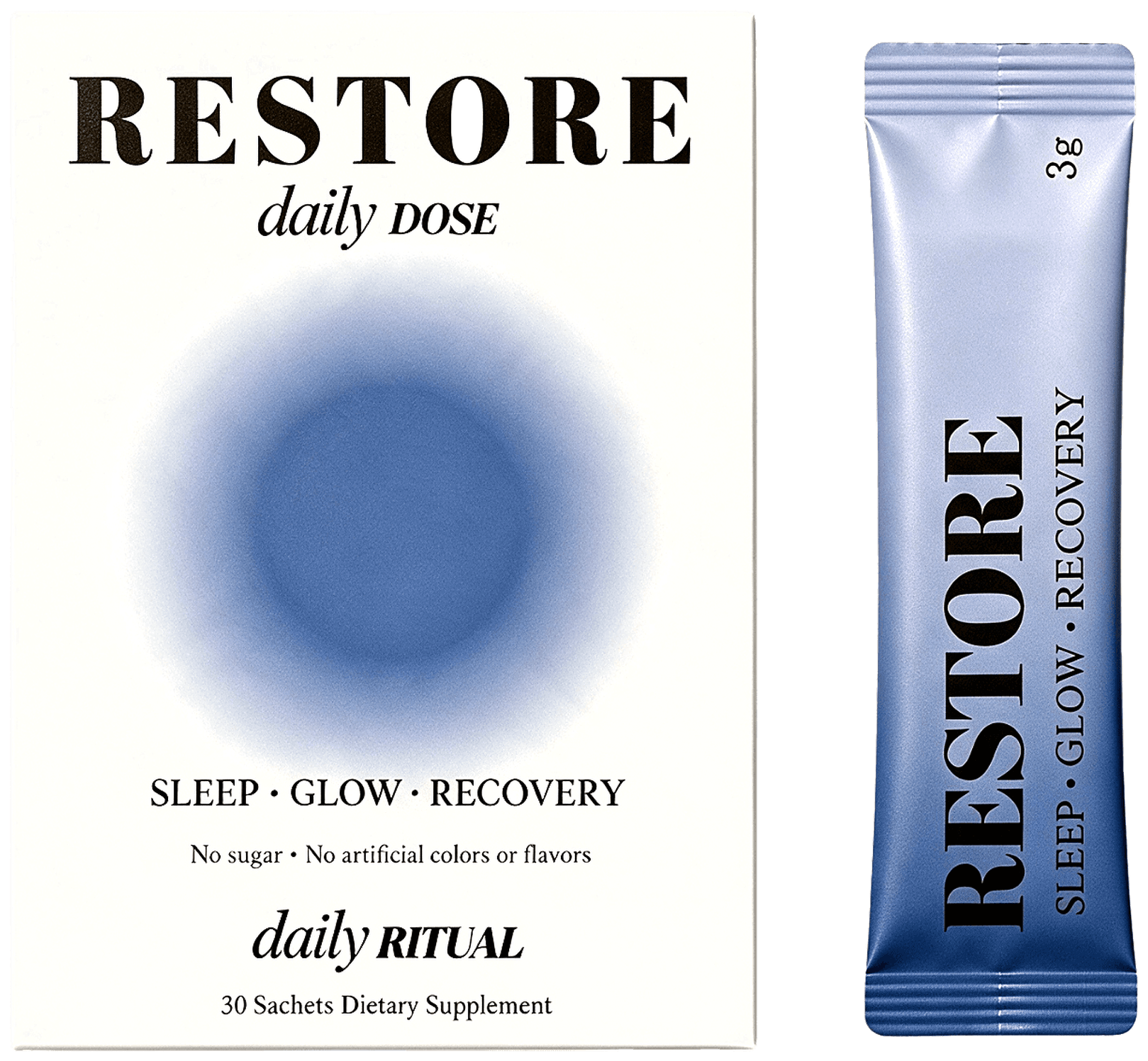
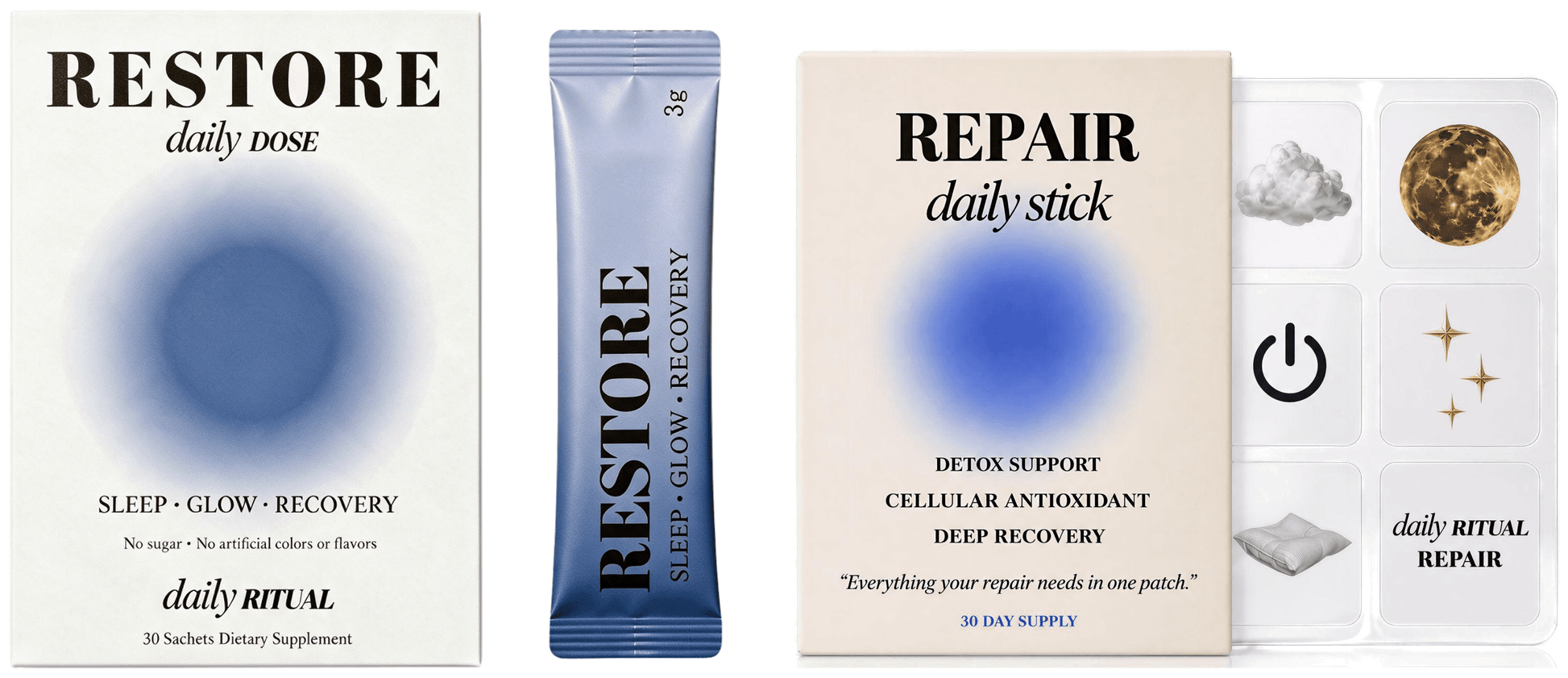
An evening ritual can make that wind-down easier to repeat. RESTORE combines magnesium glycinate, fish collagen, chamomile and grapefruit, with no melatonin, and is designed to support relaxation as part of a calm evening routine.
A sample 1pm to 4pm routine
Here is how these habits fit into a real afternoon. Adjust the times to your schedule.
- 12:30pm: Lunch with protein, vegetables and fibre. Your midday drink mix alongside, if you use one.
- 1:00pm: A 5 to 10 minute walk, outside if possible.
- 1:15pm: Large glass of water. Last coffee of the day, if you want one.
- 1:20pm: Two-minute focus reset, then a 25-minute block on your most important task.
- 2:30pm: Stand, stretch, refill your water.
- 3:00pm: If hungry, a light snack such as fruit with nuts or yogurt.
- 3:05pm: Another focused block, then a short break.
You do not need to do every step every day. Pick two habits that feel easiest, keep them for a week, and add a third when they feel automatic.
Making it a daily ritual
Habits stick when they are tied to something you already do. Link your water to sitting back down after lunch. Link your walk to finishing your meal. Link your focus reset to opening your laptop again.
If you enjoy using drink mixes as anchors through the day, a subscription keeps them on hand so the routine is never interrupted. Subscribe and save 12% with delivery every 4 weeks, backed by a 30-day money-back guarantee (subscriptions only).
When to look a little closer
An occasional afternoon dip is normal. If you feel tired most of the day, every day, even with good sleep and steady habits, it is worth checking in with a healthcare professional to talk it through.
FAQ
What time does the afternoon slump usually hit?
For most people it shows up somewhere between about 1pm and 4pm, often an hour or two after lunch. The exact time shifts with your wake-up time and sleep schedule.
Is it better to nap or push through?
If your day allows it, a short nap of 10 to 20 minutes can feel refreshing. Longer naps can leave you groggy and make it harder to sleep at night, so keep them brief and early.
What should I eat to avoid feeling sluggish after lunch?
A balanced plate with protein, vegetables and fibre-rich foods like beans, lentils or whole grains tends to feel steadier than a meal heavy in refined carbs or sugar.
Can I just drink more coffee?
Coffee can help in the moment, but late caffeine may affect your sleep, which can make the next afternoon harder. Water, movement and an earlier caffeine cut-off are often more sustainable.
These statements have not been evaluated by the Food and Drug Administration. This product is not intended to diagnose, treat, cure, or prevent any disease.