

If you have ever wondered how to get more fiber in your diet without feeling bloated or overhauling every meal, you are in good company. Most adults in the US fall well short of the fiber the Dietary Guidelines suggest, and the gap usually comes from small, everyday habits rather than one big mistake.
The good news is that small habits fix it too. This guide walks through why fiber matters, how much to aim for, and a calm, practical routine for spreading it across your day.
Why Fiber Deserves a Place in Your Daily Routine
Fiber is the part of plant foods your body does not fully break down. That is exactly what makes it useful. It moves through your digestive system, helping support regularity and a comfortable sense of fullness after meals.
There are two broad types, and you want both:
- Soluble fiber mixes with water to form a gel. Think oats, beans, apples, citrus and chia seeds. It helps support steady energy after meals and healthy digestion.
- Insoluble fiber adds bulk. Think whole grains, nuts, and the skins of fruits and vegetables. It helps keep things moving.
Fiber also feeds the beneficial bacteria in your gut, which is one reason it shows up so often in conversations about everyday digestive wellness.
How Much Fiber Do You Actually Need?
The Dietary Guidelines for Americans suggest roughly 14 grams of fiber for every 1,000 calories you eat. For many adults, that works out to about 25 grams a day for women and around 30 to 38 grams a day for men.
You do not need to count every gram. A simple check is to ask, at each meal: is there a whole grain, a bean or lentil, a fruit, or a vegetable on this plate? If the answer is usually yes, you are heading in the right direction.
Go Slow: The Most Important Fiber Rule
The most common reason people give up on fiber is that they add too much at once. A sudden jump can leave you feeling gassy or uncomfortable, which makes the whole effort feel like a mistake.
Instead, add a few grams every few days. Give your body a week or two to adjust before adding more. Slow and steady is genuinely the faster route here, because it is the version you will keep doing.
Pair Fiber With Water
Fiber works best with fluid. As you increase your intake, increase your water too. Soluble fiber in particular needs water to do its job well, and staying hydrated helps keep digestion comfortable.
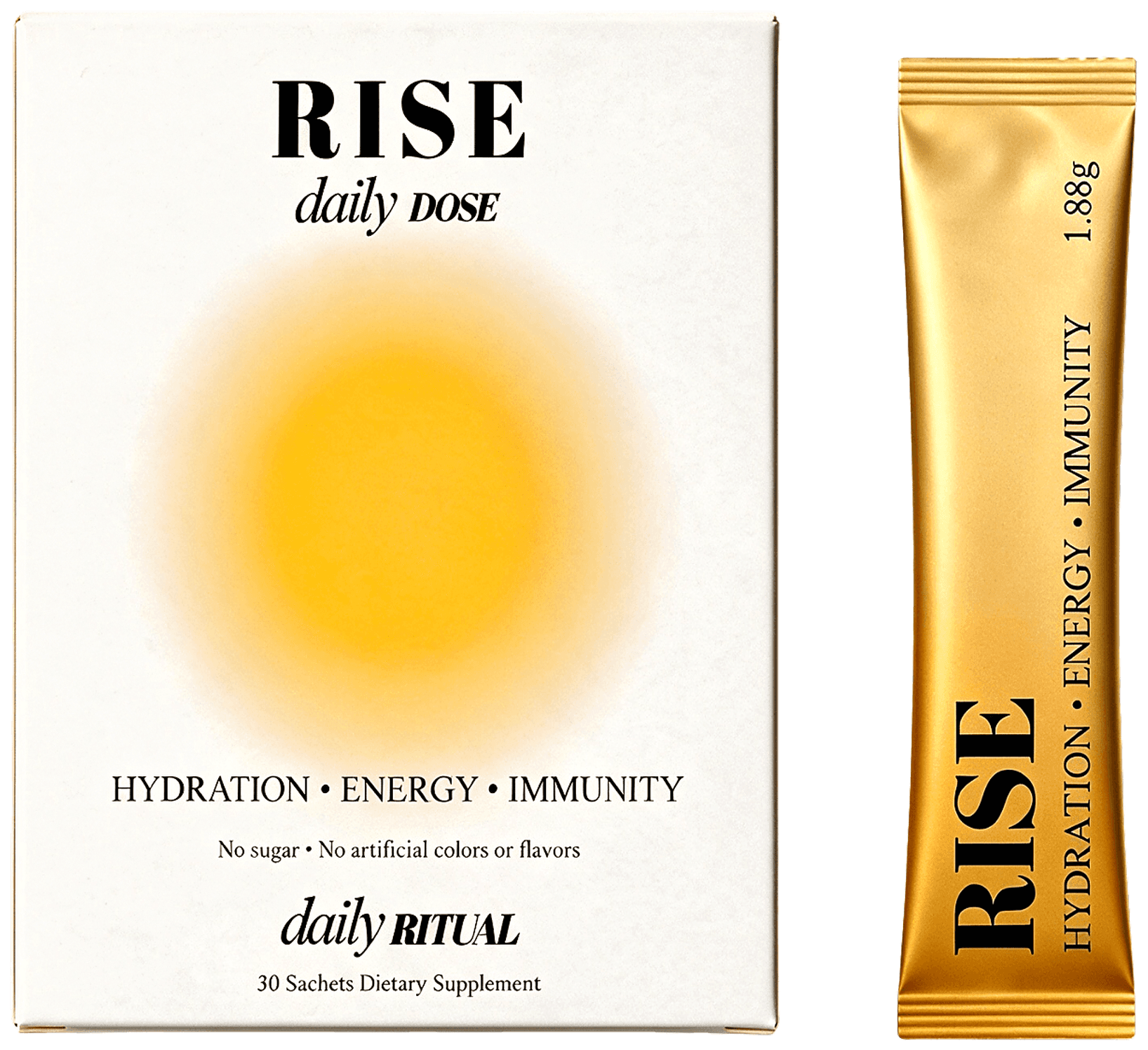
A simple habit: start the day with a full glass of water before coffee. If plain water feels hard to finish in the morning, a lightly flavored option like RISE, our morning electrolyte drink with no added sugar, can make that first glass easier to reach for.
A Gentle, All-Day Fiber Routine
Rather than loading one meal, spread fiber across the day. It is easier on your stomach and easier to remember.
Morning: Start With a Fiber Anchor
- Choose oats, a whole-grain toast or a high-fiber cereal as your base.
- Add berries, a sliced pear or a spoonful of chia or ground flaxseed.
- Drink a glass of water alongside.
Breakfast is often the easiest place to add 5 to 10 grams without much thought.
Midday: Build a Plant-Forward Lunch
Lunch is where fiber often disappears, especially with quick sandwiches or takeout. A few swaps help:
- Add beans, lentils or chickpeas to salads and grain bowls.
- Choose whole-grain bread or wraps.
- Keep the skins on cucumbers, apples and potatoes.
- Add a side of raw vegetables with hummus.
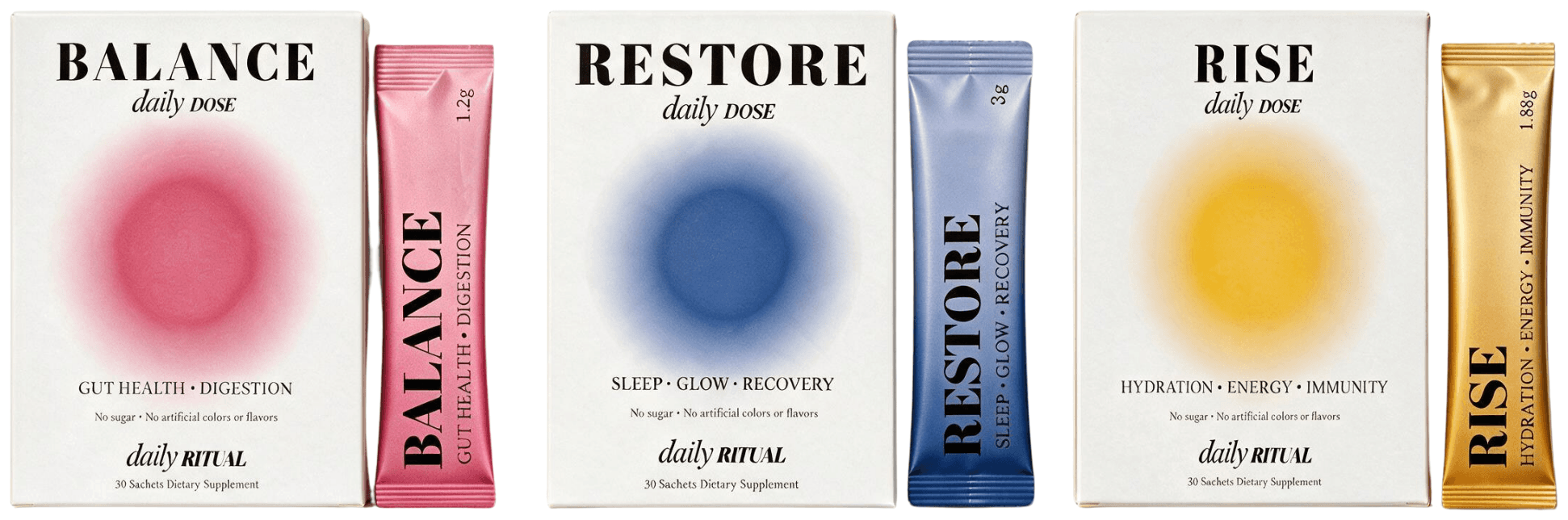
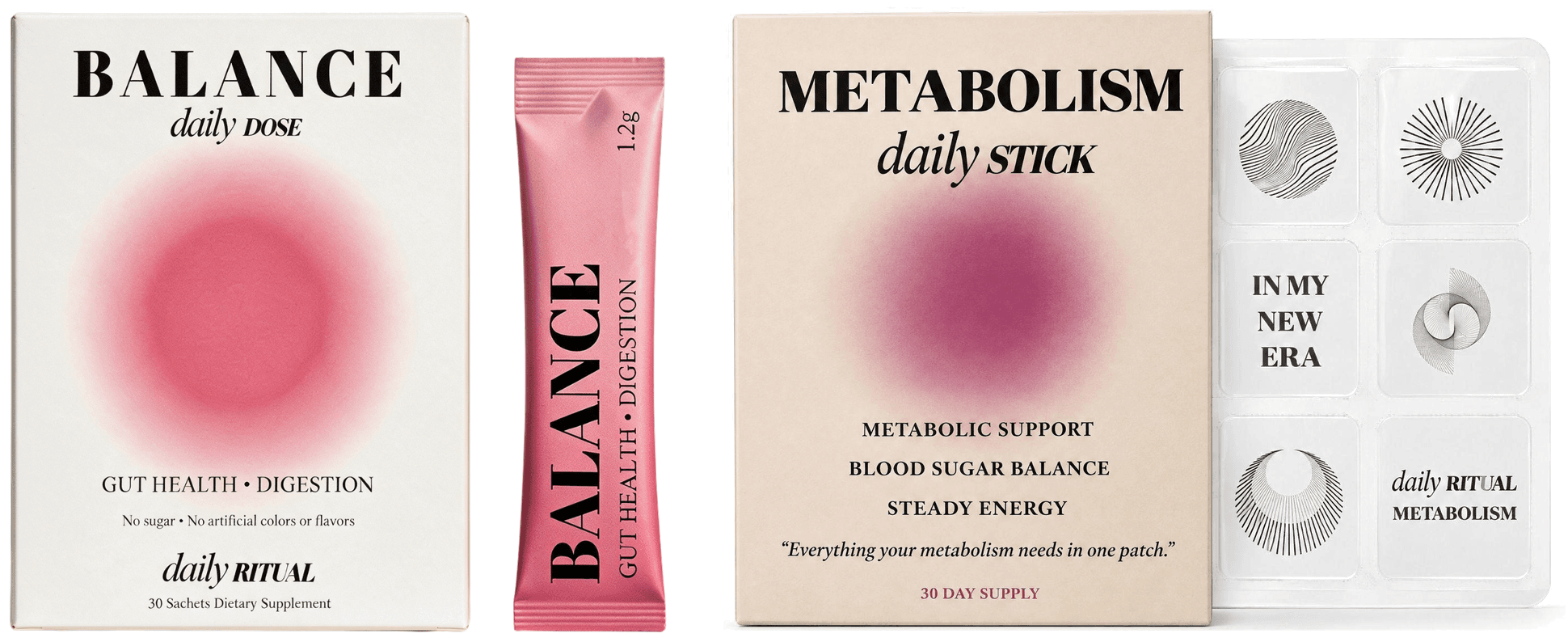
Midday is also a natural moment for a simple ritual. BALANCE is our midday drink mix with fiber and ginger, plus real strawberry. It is designed as an easy, consistent way to add a little fiber to your afternoon while you sit down, slow down and drink some water. Ginger has long been used to support digestive comfort, which makes it a thoughtful pairing.
Afternoon: Snack With Purpose
- A piece of whole fruit instead of juice.
- A small handful of almonds, pistachios or pumpkin seeds.
- Air-popped popcorn, which is a whole grain.
Evening: Fill Half the Plate With Plants
At dinner, aim for vegetables on half your plate. Roasted broccoli, Brussels sprouts, carrots, leafy greens or a bean-based soup all count. A smaller, earlier dinner can also feel more comfortable before bed.
Easy Swaps That Add Up
You do not need new recipes. Try a few of these:
- White rice to brown rice, farro or quinoa.
- Regular pasta to whole-wheat or lentil pasta.
- Fruit juice to whole fruit.
- Chips to popcorn or roasted chickpeas.
- Cream-based soup to bean or lentil soup.
Each swap adds only a few grams, but three or four of them across a day can close much of the gap.
Making It a Ritual, Not a Rule
Fiber habits stick when they are tied to things you already do. Put the oats next to the coffee maker. Keep a bowl of fruit on the counter. Mix your midday drink at the same time each day.
Many people find it easier to build one simple routine across morning, midday and evening. That is the thinking behind The Full Dose Trio, which brings together RISE, BALANCE and RESTORE to anchor different parts of your day. If you would like to keep it consistent, Subscribe & Save takes 12% off every 4 weeks, and subscriptions come with a 30-day money-back guarantee.
Frequently Asked Questions
What is the fastest way to get more fiber in your diet?
The quickest wins are usually breakfast swaps and adding beans or lentils to lunch. That said, go gradually. Adding fiber too fast can cause discomfort, so a steady increase over a couple of weeks tends to work better.
Is it better to get fiber from food or a drink mix?
Whole foods should be the foundation, because they bring vitamins, minerals and a variety of fiber types. A fiber drink mix can be a convenient addition on busy days, not a replacement for fruits, vegetables and whole grains.
Why do I feel bloated when I eat more fiber?
Your digestive system needs time to adjust. Increase fiber slowly, drink more water, and spread fiber across meals rather than eating most of it at once. If discomfort continues, check in with your healthcare provider.
Should I drink more water when I increase fiber?
Yes. Fiber works best with fluid, so increase your water intake as your fiber goes up. Keeping a glass nearby at each meal is a simple way to remember.
These statements have not been evaluated by the Food and Drug Administration. This product is not intended to diagnose, treat, cure, or prevent any disease.